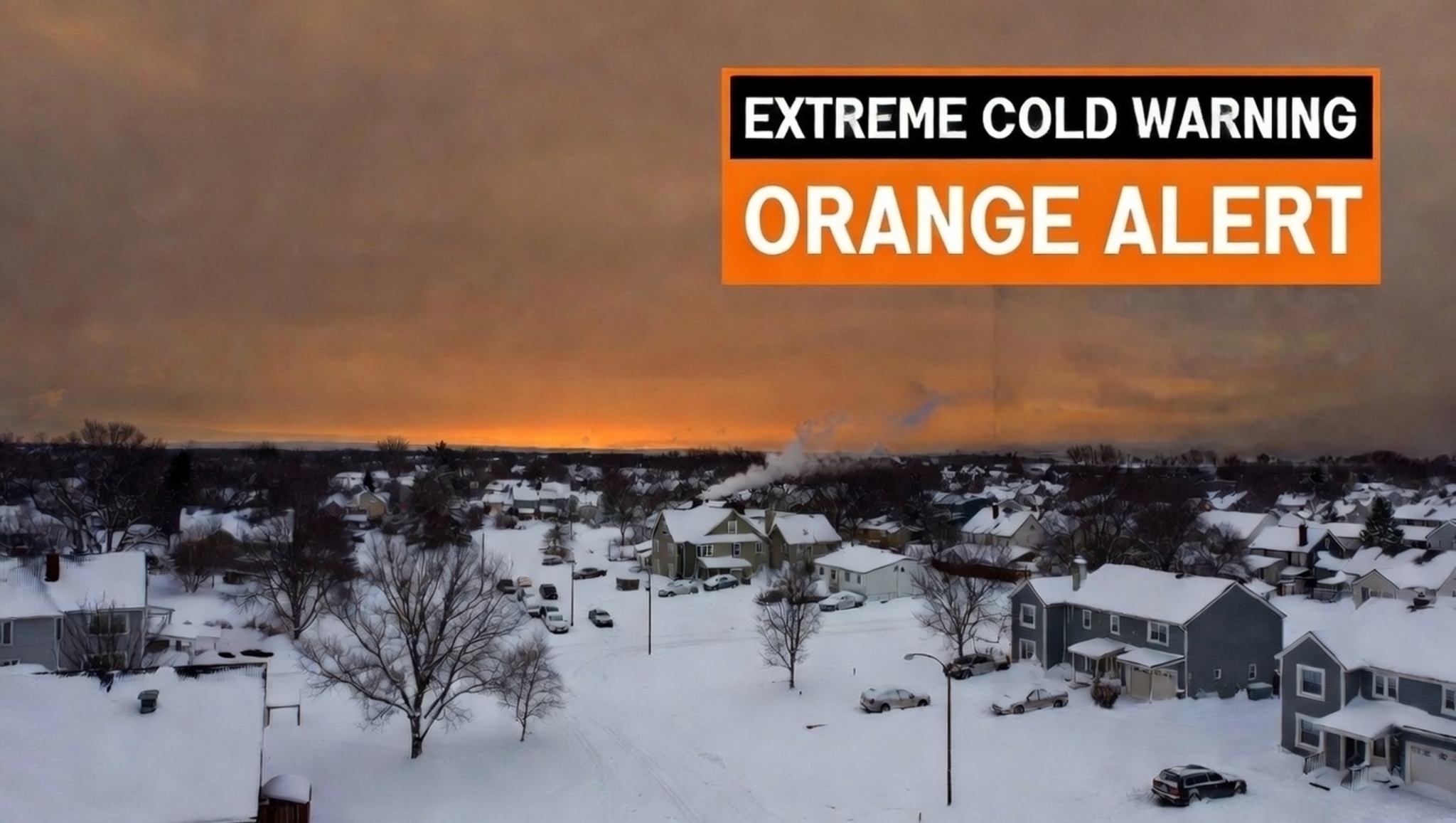
Several communities across the Northwest Territories are under an orange-level extreme cold warning as temperatures plunge well below seasonal norms, increasing risks for travel, infrastructure, and vulnerable residents.
Environment officials say the cold snap could bring prolonged periods of dangerous wind chills, conditions that pose serious challenges for smaller and remote communities where access to emergency services, reliable heating, and transportation is more limited.
Why this matters in the North
For communities outside Yellowknife, extreme cold is more than a weather inconvenience. It affects:
- Winter road safety, especially for residents travelling between communities
- Heating reliability, with higher strain on aging infrastructure
- Community operations, including school attendance, municipal services, and health outreach
- Cost of living, as fuel use rises sharply during prolonged cold periods
In places like Fort Good Hope, Colville Lake, and other smaller communities, extended cold events can quickly turn into logistical and financial pressures for households already facing high energy costs.
Local impact and preparedness
Community governments and residents are being urged to take precautions, including limiting outdoor exposure, checking on elders, and ensuring vehicles and heating systems are prepared for sustained cold.
While extreme cold is not unusual in the NWT, officials note that the duration and intensity of these cold spells can increase risk — particularly when combined with wind and limited daylight.
Looking ahead
Weather conditions are expected to remain harsh in the short term, with residents advised to monitor local forecasts and community advisories closely. Municipal leaders may adjust services and operations depending on how long conditions persist.
As winter deepens, the warning serves as another reminder of how closely weather, infrastructure, and daily life are connected across the North.