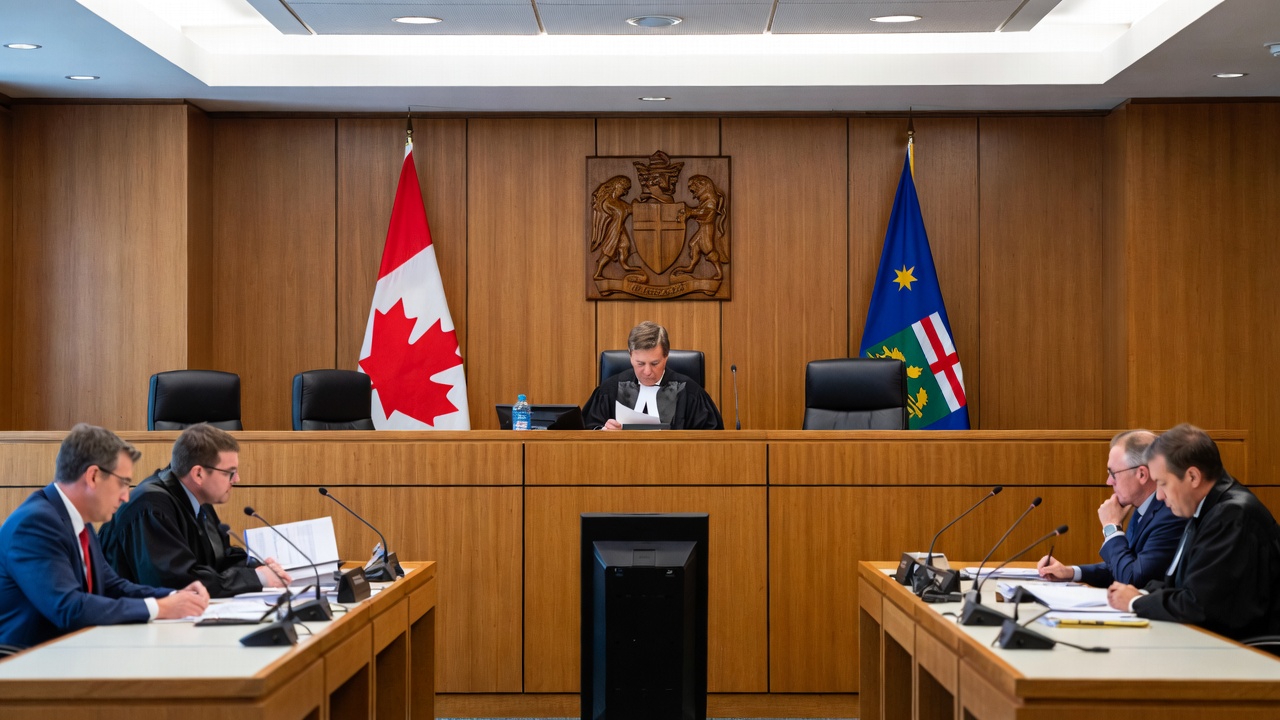
The Supreme Court of Canada is hearing a case that could have significant implications for how judges apply Gladue principles — the legal requirement to consider an Indigenous person’s unique background when sentencing — especially in Inuit‑majority regions such as Nunavut and other northern jurisdictions.
What’s at Issue
The case centers on an appeal of a sentence in which both the offender and the victim are Indigenous. This has raised complex questions about how courts balance Gladue principles — designed to address systemic disadvantage and over‑representation of Indigenous people in prison — with other sentencing priorities like public safety and deterrence.
Gladue principles stem from a 1999 Supreme Court ruling, R v Gladue, which directs judges under the Criminal Code to consider systemic and background factors that have affected Indigenous people and to look at alternatives to incarceration when appropriate. A 2012 decision, R v Ipeelee, reaffirmed that sentencing judges must make these considerations for every Indigenous offender.
Why This Matters in the North
In Nunavut and other northern regions where the vast majority of people in custody are Indigenous, how Gladue is applied isn’t just an academic legal question — it affects real sentencing outcomes and the justice experiences of residents.
Community justice advocates have highlighted ongoing challenges in the North, including a lack of trained Gladue report writers and the fact that many courts instead fold Gladue considerations into regular pre‑sentencing reports rather than specialized reports.
Counsel and community leaders say that if the Supreme Court provides new guidance on when and how Gladue principles should apply — especially in cases involving Indigenous victims as well as offenders — that could change sentencing practice across the territories. It could also prompt renewed discussion about resources and capacity for supporting Gladue reports in places like Nunavut.
Balancing Justice and Safety
The case also touches on a delicate balance: ensuring Gladue considerations are meaningful while maintaining accountability and public safety — particularly in serious cases. Critics of Gladue’s implementation have argued the principles are not always used consistently, while supporters say they are essential for addressing the root causes of criminalization linked to colonialism, intergenerational trauma, and systemic inequities.
Looking Ahead
A ruling from the Supreme Court could clarify whether courts need to adopt a different approach when both the offender and the victim are Indigenous, and whether Gladue factors should weigh differently in sentencing. Such clarity may have broad effects across northern legal systems, where Inuit and other Indigenous peoples make up a disproportionate share of those who come into contact with the criminal justice system.