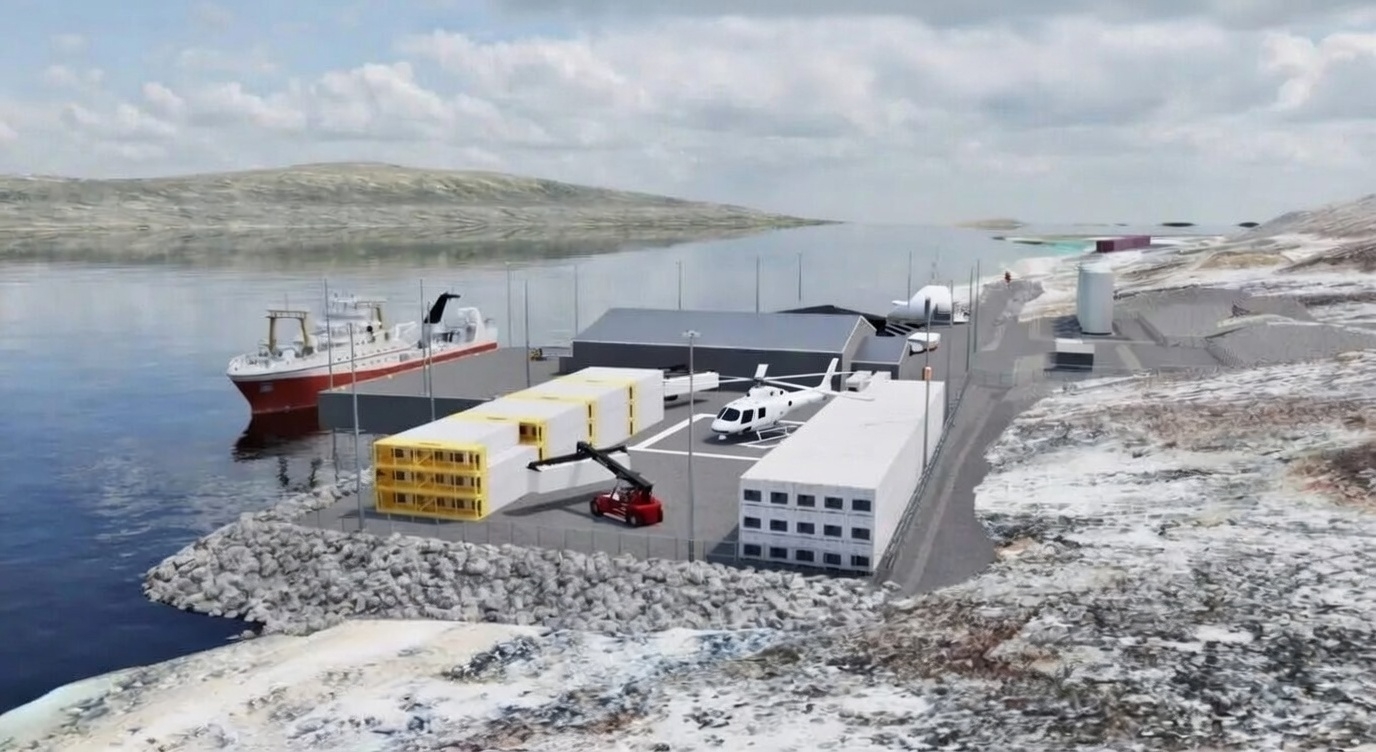
Qikiqtarjuaq, Nunavut — Leaders in Qikiqtarjuaq and northern development advocates have voiced strong support for a proposed deep-sea port on the eastern coast of Baffin Island — a project supporters say could improve marine safety, bolster economic activity and enhance Canada’s Arctic sovereignty.
The proposed port, being developed by the Qikiqtaaluk Corporation in partnership with the Arctic Economic Development Corporation, would be a marine infrastructure hub located in waters where fishing, shipping and search-and-rescue operations currently lack a modern base.
Project Scope and Cost
The first phase of the Qikiqtarjuaq deep-sea port is estimated to cost about $350 million, with construction expected to take approximately two years once it begins. The design includes a 75-metre long dock reaching into deeper water to accommodate larger vessels, with a second phase planned to extend even further offshore.
Officials say federal and territorial investment already includes millions in initial funding, and that additional support could come from national infrastructure programs. A spokesperson for the port’s backers noted the project could feature a naval, Coast Guard and transport base, complementing other Arctic development initiatives.
Construction is targeted to start in mid-year using icebreaker support for materials, allowing the timeline to be accelerated compared with traditional sealift deliveries.
Why the Port Matters
Proponents argue the deep-sea port could have multiple economic and strategic benefits for the North:
- Marine safety and search-and-rescue capacity: The facility could serve vessels operating in the Davis Strait and surrounding waters, reducing the distances fishing boats and supply ships currently travel to offload or seek assistance.
- Support for local fisheries: Qikiqtarjuaq’s location could become a hub for seafood landings that currently go to ports such as Nuuk, Greenland, increasing northern participation in Arctic maritime trade.
- Arctic sovereignty: A major port could strengthen Canada’s physical presence and logistical footprint in strategic northern waters — a priority as Arctic sea lanes become more navigable with climate change.
Local community leaders have expressed optimism that the port could create jobs and boost economic activity while improving access to markets for northern producers.
Challenges and Considerations
Building a deep-sea port in the high Arctic is not without challenges. Extreme weather, sea ice conditions and supply chain considerations make construction and operations more complex and costly than in southern Canadian ports.
Funding beyond the initial phase has yet to be fully confirmed, and negotiations with the federal government and infrastructure partners remain ongoing. Experts also note that integrating the port with transportation networks, workforce training and long-term cargo demand will be crucial for sustainability.
Local Impact and Northern Context
For Nunavut residents — particularly those in Qikiqtarjuaq and nearby communities — improved marine infrastructure could mean:
- Fewer disruptions in sealift and cargo arrivals
- Expanded opportunities for local industries like fishing and tourism
- Greater emergency response capacity along northern sea routes
Investments in marine infrastructure, including ports and training programs, are being seen as key parts of broader northern economic development efforts.