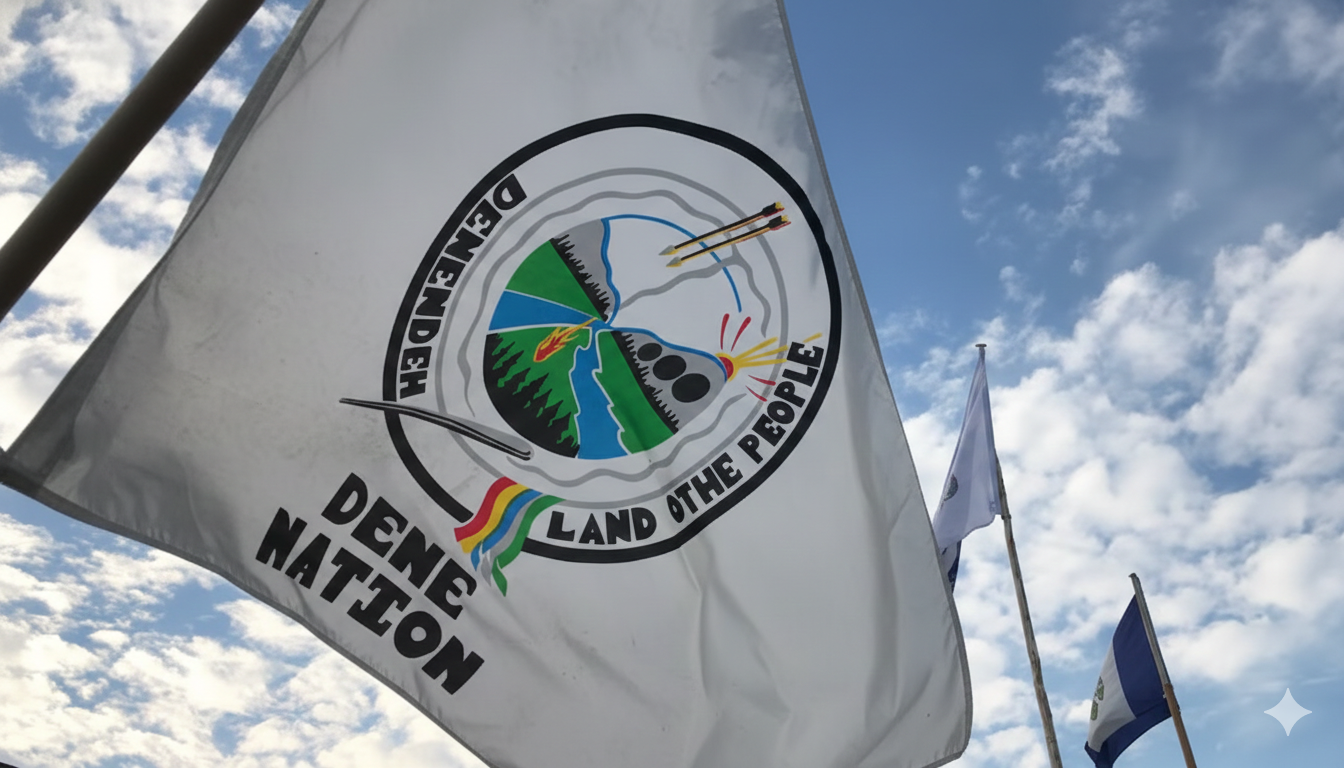
Fort Good Hope, N.W.T. — Leaders and delegates from across the Dene Nation are gathering this week in Fort Good Hope for the annual Dene National Assembly, with child welfare and major development projects among the key items on the agenda. The three-day meeting runs Jan. 20–22 and is expected to shape priorities for the coming year.
Dene National Chief George Mackenzie said the assembly will address how communities can prepare for major economic and social developments while also strengthening supports for families and children. “We have to go into the future — development is coming, major developments are coming,” he said, underscoring the need for collective planning across the nation’s five regions.
Assembly Agenda: Projects and Social Priorities
Delegates will discuss infrastructure, economic projects and long-term strategies to support the Dene Nation’s communities. These discussions come at a time when northern Indigenous governments are increasingly balancing economic opportunities with social priorities such as housing, health and child welfare.
While CBC’s coverage focuses on the assembly’s agenda and priorities, it does not detail specific project plans or resolutions expected to be passed. But the theme of preparing for “major developments” suggests an emphasis on both economic planning and community wellbeing.
Why Child Welfare Matters for the North
Child welfare has been a focus of Indigenous policy discussions across Canada for years. Federal and First Nations leaders have pursued historic reforms to child and family services through agreements like the long-term reform of the First Nations Child and Family Services Program, backed by First Nations leadership and the Government of Canada.
In the broader policy context, Canada has passed laws aimed at giving Indigenous communities greater control over child welfare decisions. For example, federal legislation establishes standards for First Nations, Inuit and Métis families to exercise jurisdiction over services affecting their children and youth.
Child welfare outcomes remain a concern in the North. In Nunavut, the federal auditor general has noted the need for clearer timelines and accountability for family services supporting children and families, indicating that more work is needed to strengthen protections and supports in northern jurisdictions.
Local Impact for Northwest Territories Residents
For many residents in N.W.T. communities, discussions about child welfare and development go beyond policy papers — they touch on everyday life:
- Family services and supports influence community stability and wellbeing.
- Major development projects can create jobs, improve infrastructure and increase revenue, but also raise questions about environmental impacts, housing, and cultural preservation.
- Indigenous self-determination in social programs like child welfare remains a priority for regional governments and grassroots leaders alike.
These are the kinds of issues that assembly delegates will weigh as they finalize their priorities for 2026 and beyond.
What Happens Next
The assembly will conclude on Jan. 22, after which participating leaders are expected to release a summary of resolutions and priorities. Local governments, community organizations and residents will be watching how this year’s discussions shape future funding, policy campaigns and advocacy efforts for both social services and regional projects.
Attribution
Based on reporting by CBC News and statements from Dene Nation leadership, this article has been rewritten by YellowNorth to provide clarity and northern perspective