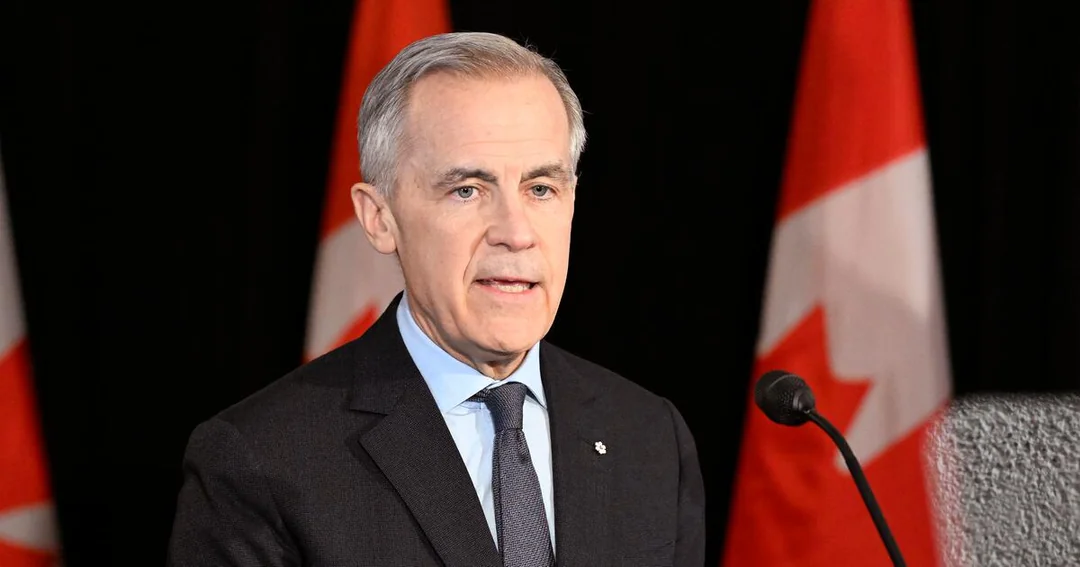
Ottawa, Ontario — Prime Minister Mark Carney announced a new suite of federal affordability measures aimed at helping Canadians facing high food and everyday essential costs, including a major increase to the Goods and Services Tax (GST) rebate, now renamed the Canada Groceries and Essentials Benefit. The changes were unveiled as Parliament resumed this week amid ongoing cost-of-living concerns.
In a statement Monday, the government said the new benefit will raise the GST credit by 25 per cent over the next five years beginning in July 2026, with a one-time top-up payment this year equivalent to a 50 per cent increase — offering immediate relief to millions of Canadians.
What’s in the New Benefit Plan
Under the revamped benefit:
- A family of four could receive up to $1,890 this year, compared with about $1,100 under the previous system, and about $1,400 annually for the next four years.
- A single person could receive up to $950 this year, rising to about $700 annually for the next four years.
Ottawa says this will provide meaningful support for more than 12 million Canadians who qualify for the existing GST credit.
Alongside the benefit changes, the government also announced funding to strengthen food security and address the root causes of rising grocery costs:
- $500 million from the Strategic Response Fund to help businesses manage costs and avoid passing them on at checkout.
- A $150-million Food Security Fund to support small and medium enterprises and bolster supply chains.
- $20 million to the Local Food Infrastructure Fund to support food banks and community programs.
Carney also outlined plans to support domestic food production, including tax measures that allow growers to fully write off new greenhouses, aiming to increase food supply and help control prices.
Why This Matters Nationally
The government’s move comes amid persistent food inflation in Canada, where grocery prices have risen faster than overall inflation in recent years, squeezing household budgets. Economists and advocacy groups say that while broader structural issues like global supply chain disruptions and high transportation costs contribute to rising prices, targeted federal support can help families cope in the short term.
Carney’s plan — including renaming and expanding the GST credit — is positioned as both immediate relief for families and part of a longer-term strategy to strengthen Canada’s food system and reduce cost pressures on essential goods.
Local Impact for the North
In the Northwest Territories and Yukon, where grocery costs are often higher than the national average due to transportation and supply challenges, the enhanced GST credit could put more money in the pockets of low- and modest-income residents. Food security challenges affect many northern communities, and additional support for food banks and local food infrastructure may be especially meaningful.
What Happens Next
The proposed changes will need support from Parliament as part of broader federal budget measures. Lawmakers from across the political spectrum are expected to debate the plan’s cost and implications as the session unfolds. Meanwhile, Canadians waiting for relief at the grocery store checkout may see early benefits starting this summer.
Attribution
This article is based on reporting by CBC News, Government of Canada announcements and additional public sources. It has been rewritten and edited by YellowNorth to provide clarity and northern context.