Source: CBC News
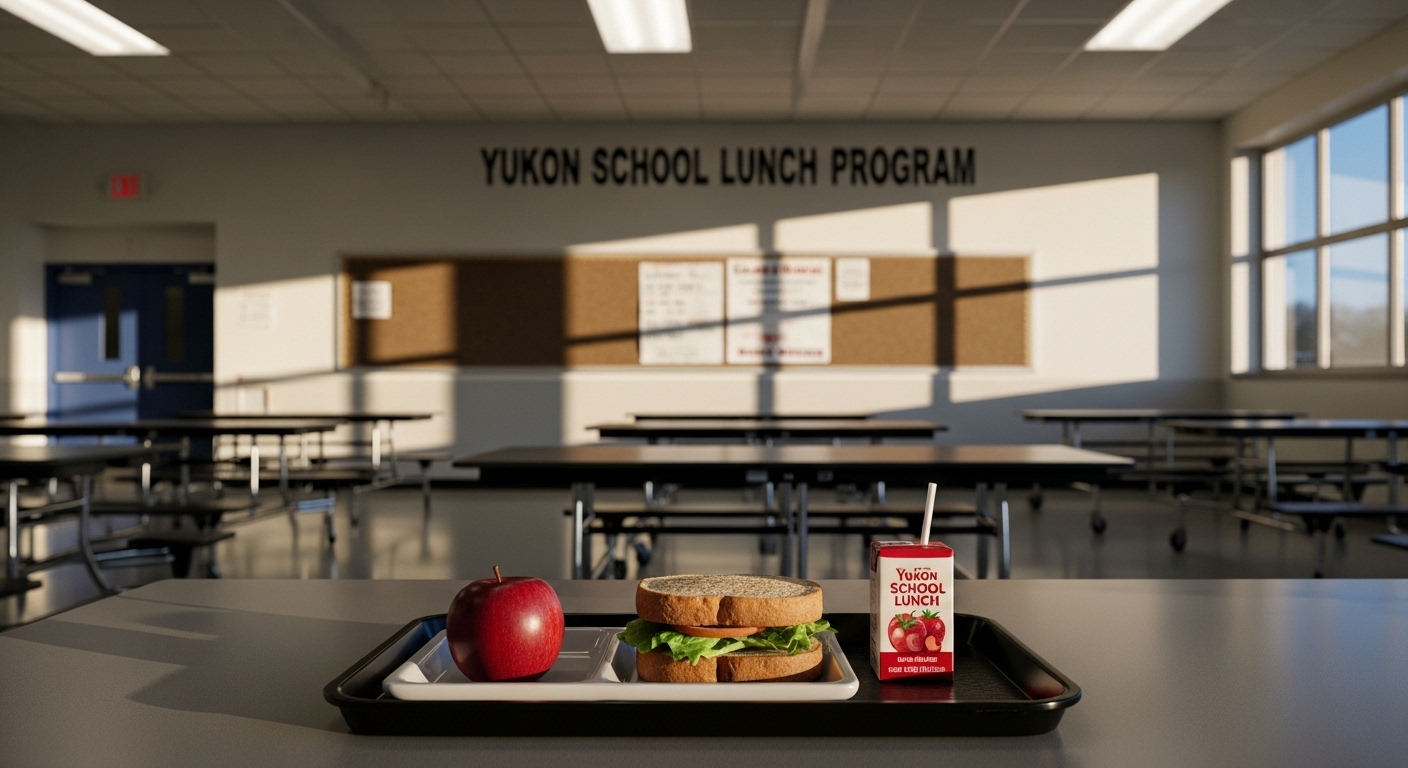
Whitehorse, Yukon — The Yukon government has rolled out a new pilot school lunch program for selected communities after longstanding funding from Jordan’s Principle was cut, leaving gaps in food supports for students. The pilot — funded by Ottawa through the National School Food Program — aims to keep hot lunches available for students in a handful of schools while authorities assess future expansion possibilities.
Without the previous Jordan’s Principle funding, which covered breakfast, lunch and snacks for many Indigenous students in both urban and rural communities, some territorial school food programs were scaled back at the start of this school year. The new initiative focuses on lunch only, and funding is limited compared with what students received under the earlier structure.
Pilot Project Supports Seven Schools
The pilot project, costing around $7.3 million and running through March 2027, provides hot lunches to students at seven Yukon schools. Those include:
- Selkirk Elementary (Whitehorse)
- Takhini Elementary (Whitehorse)
- St. Francis of Assisi Catholic Secondary (Whitehorse)
- Ghùch Tlâ Community School (Carcross)
- Tantalus Community School (Carmacks)
- Del Van Gorder School (Faro)
- Johnson Elementary School (Watson Lake)
The schools were selected based on both demonstrated need and capacity to deliver meals, officials said. Not every school in the territory has the kitchen infrastructure required to run hot lunch programs.
Gap Between Past and Present Funding
Courtney Wheelton, director of First Nations initiatives at the Yukon First Nation Education Directorate, said that under Jordan’s Principle, programming included not just lunch but breakfast and snacks and served Indigenous students across the territory. She noted the new lunch pilot doesn’t match that level of support, with federal funds equating to roughly $1.30 per student, far below the cost of meaningful meals.
“It’s definitely a step in the right direction,” Wheelton said of the lunch pilot, “but it’s not enough to cover every student’s needs across Yukon schools.”
Shuana Epp, assistant deputy minister with the Yukon Department of Education, said the government hopes this pilot will generate data on participation, barriers and opportunities for future expansion, informing potential broader rollout plans.
Why This Matters in the North
School food programs matter especially in northern regions like the Yukon, where grocery prices are among the highest in Canada and many families face food insecurity. National school food funds, part of a federal initiative to support children’s nutrition, come as part of broader efforts to help families cope with affordability challenges.
Before this year, Jordan’s Principle provided wrap‑around school nutrition services for Indigenous students, including in rural communities where access to healthy food can be more difficult. Its absence has left gaps that the pilot is now trying to begin to address.
What Happens Next
As the pilot runs through March 2027, Yukon officials will study what works and where improvements are needed. Education and community partners, including First Nations organizations, will likely continue to advocate for expanded funding and a more inclusive program that reaches all Yukon students. Decisions based on the pilot’s findings could shape future school food policy and funding in the territory.
Attribution
This article is based on reporting by CBC News and public sources. It has been rewritten and edited by YellowNorth to provide clarity and northern context.